Six years ago, I sat about 20 feet away from Nichole Dube as she shared a vision: Build community through food.
We were literally spaced apart at the East Pasco Entrepreneur Center in Dade City, Florida (thanks to an intro by Daniel Mitchell, CFP(R) EDP, and SMARTstart Pasco Entrepreneurship Programs) as COVID was about to shut the country down.
Uncertainty everywhere… but her vision was clear.
Yesterday, I sat about 20 feet away again.
This time, Nichole wasn’t sharing a vision—
She was showing what happens when that vision is executed.
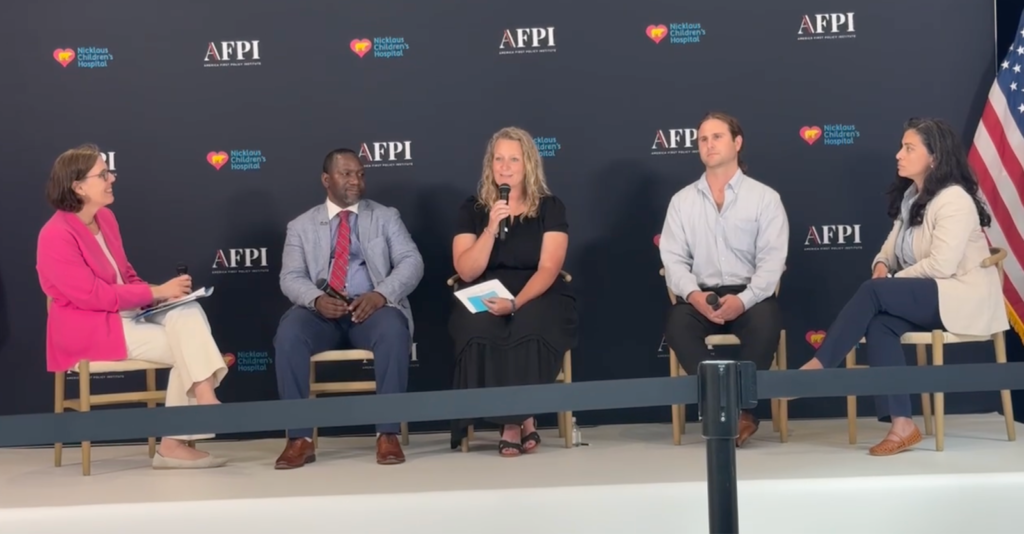
During the Florida Health and Nutrition Coalition Thought Leaders Exchange, organized by Maura Plante, and the “Do-ers” panel—hosted by Holly Freishtat of Milken Institute Feeding Change—we heard from leaders doing the work on the ground:
John Piser – FreshRx
Celines Martinez – Hebni Nutrition Consultants, Inc.
Pastor Gerard Duncan – Pleasant Street
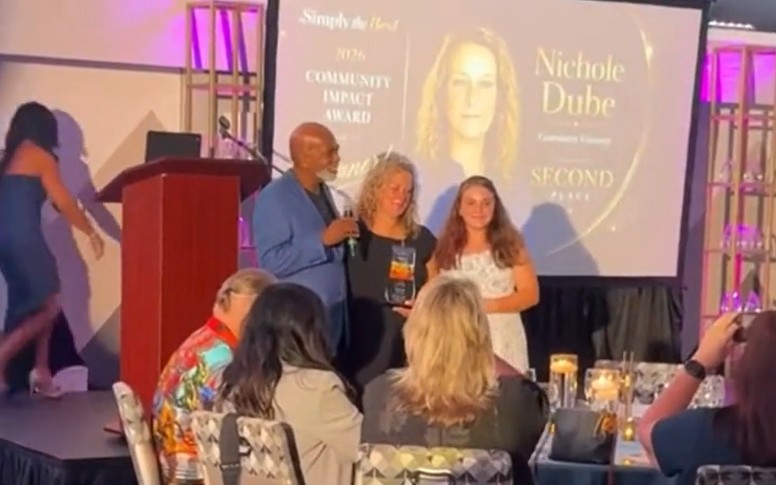
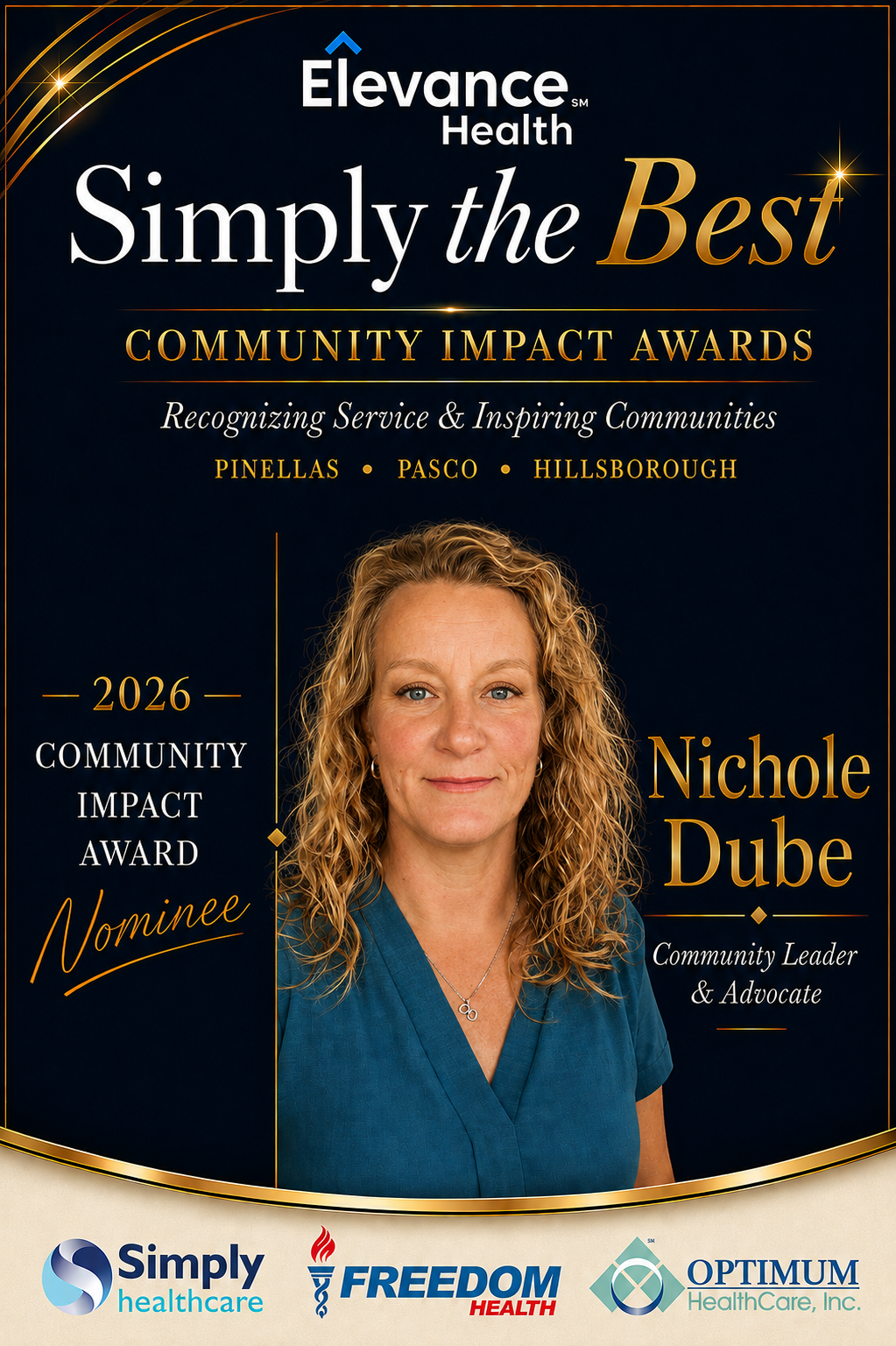
Nichole Dube – Access to Fresh
And what stood out most was this:
Local models work.
We’ve seen it firsthand.
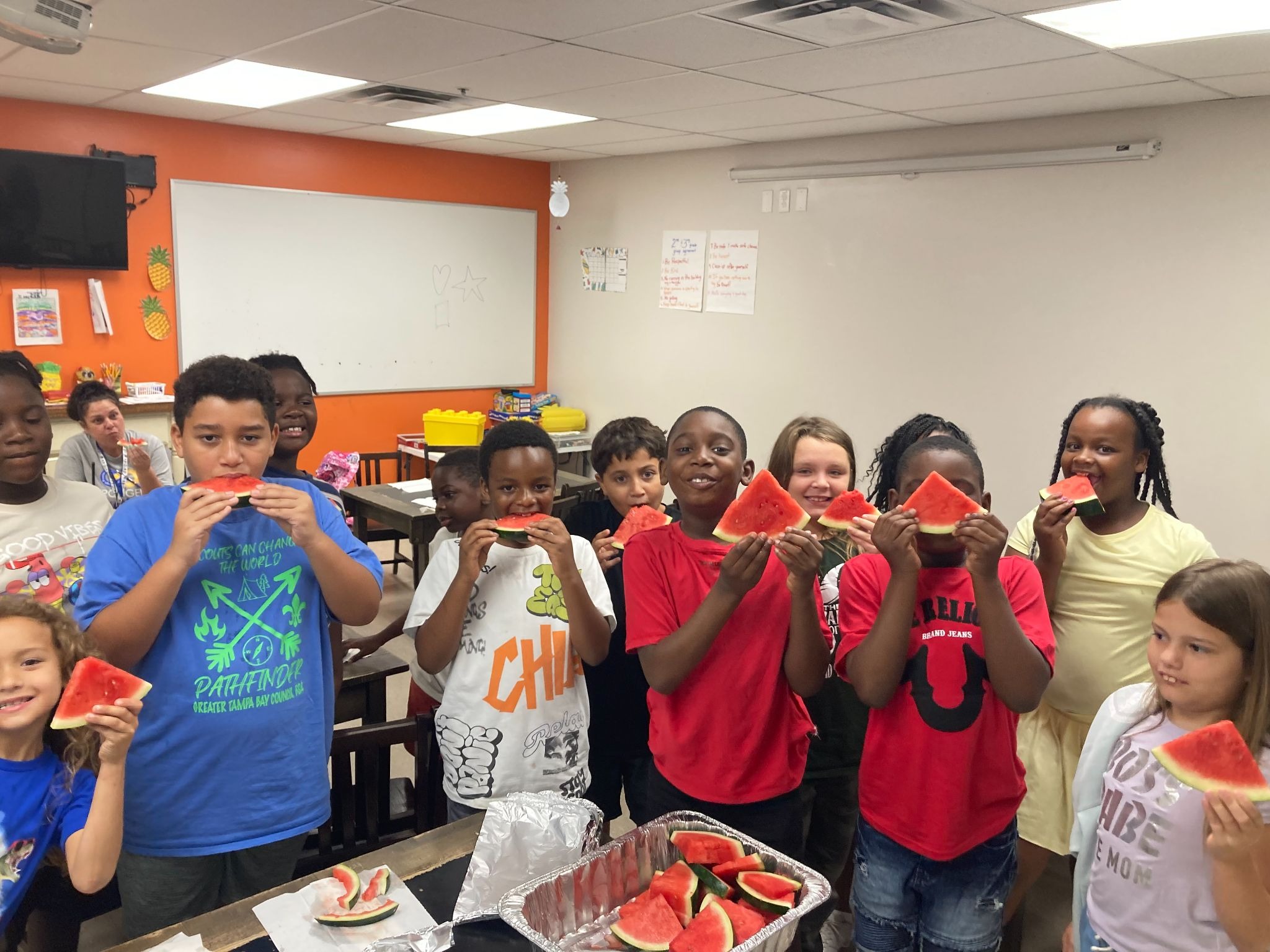
One Food is Health pilot with AdventHealth West Florida scaled to serve nearly 1,000 students.
At the same time, momentum is building at the national and state levels.
At Nicklaus Children’s Hospital, an event organized by the America First Policy Institute, HHS Secretary Robert F. Kennedy Jr.—as part of his Take Back Your Health tour—announced a first-of-its-kind hospital pledge to advance nutrition through direct partnerships connecting Florida farmers to patient care.
As Florida Department of Agriculture and Consumer Services Commissioner Wilton Simpson shared:
“Anytime we can encourage connecting our Florida farmers with customers is a triple win. We get healthy food to consumers, we support our local economy, and we strengthen our national security through domestic supply.”
The direction is clear.
However, local supply and real demand don’t just automatically connect.
Farmers are growing food.
Communities—and healthcare—need it.
Without the right system in between, both sides struggle.
That’s where Access to Fresh serves as the last-mile connector between farms, schools, healthcare, and communities.
But the last mile alone isn’t enough.
To scale this:
Hospitals need trusted, predictable supply partners
Farmers need forecastable demand and distribution
Smaller farms need aggregation to participate
Individually, they might not meet the need.
Collectively, they can.
Aggregation is the unlock. Infrastructure is the multiplier.
Because at the end of the day, food is infrastructure.
If we want food-as-medicine to scale, we don’t just need more programs—
We need systems that work for farmers, healthcare, and communities at the same time.
That’s the work.
And what I saw yesterday—20 feet away again—was proof:
This isn’t theoretical anymore.
It’s operational. It’s scaling.
Next step: Infrastructure. 🌱
Peter Contardo