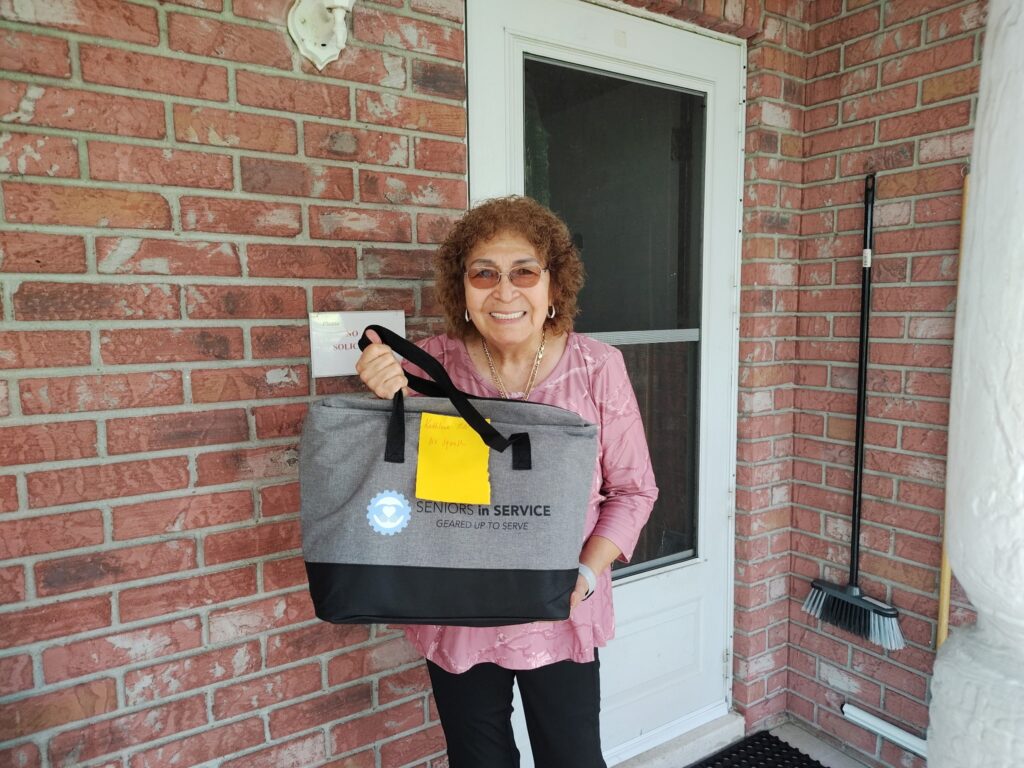
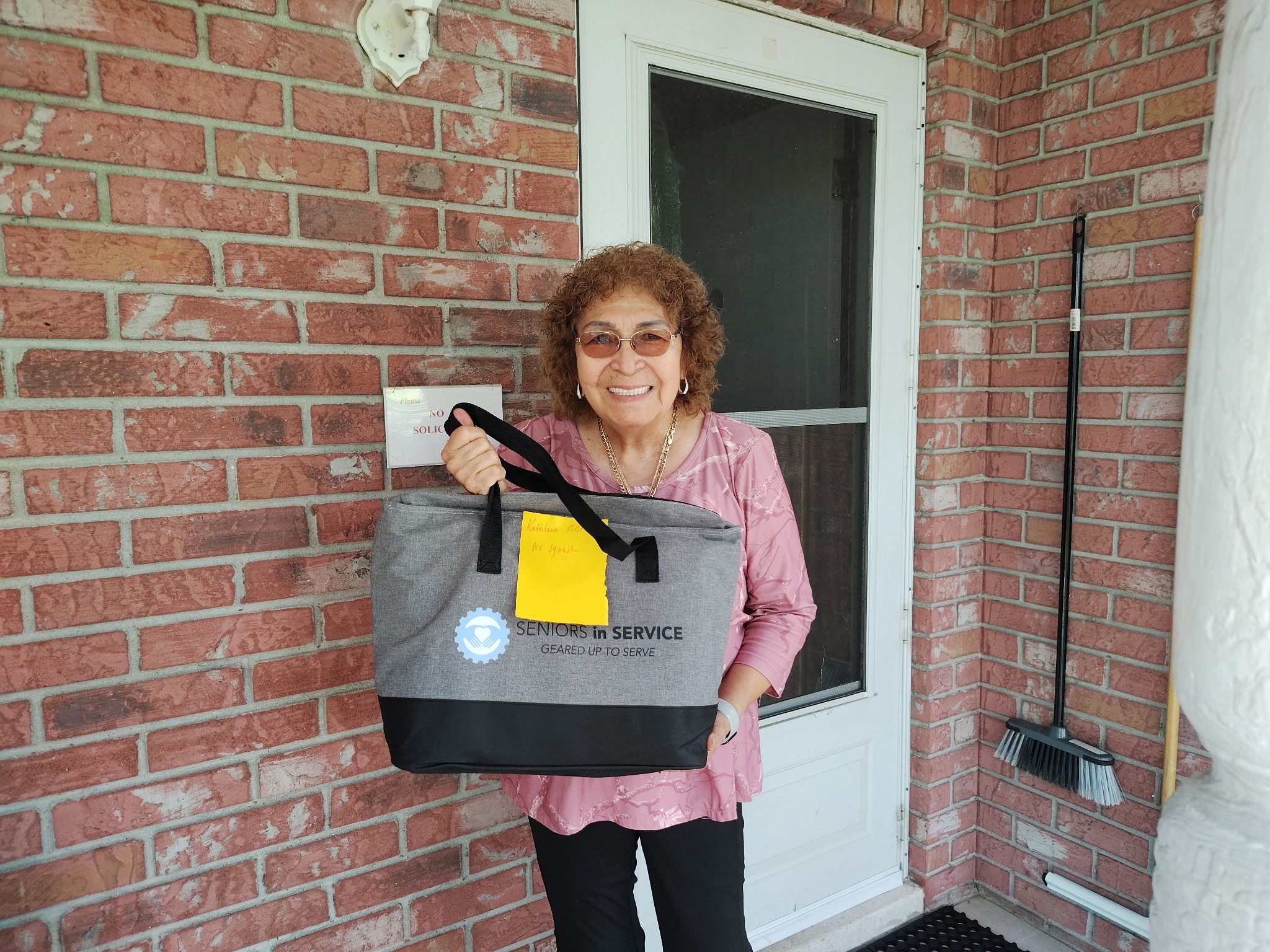
Sometimes the clearest evidence of impact is a smile and a bag of fresh food.
Behind that moment is something much larger: a community-based program responding to growing demand, building trusted relationships, supporting local farmers, and showing what becomes possible when fresh food consistently reaches the people who need it.
Four weeks into our Summer Nutrition Support projects with the support of AdventHealth West Florida and its hospitals in Wesley Chapel, Zephyrhills, and Dade City, Access to Fresh is serving more than 445 students at eight Pasco County schools each week and has already distributed more than 39,000 servings of fresh fruits and vegetables.
At the same time, through our partnership with Seniors in Service, we continue to deliver 35 weekly produce bundles to seniors and veterans who need additional support.
These numbers demonstrate meaningful impact. But the stories behind them reveal an even greater opportunity.
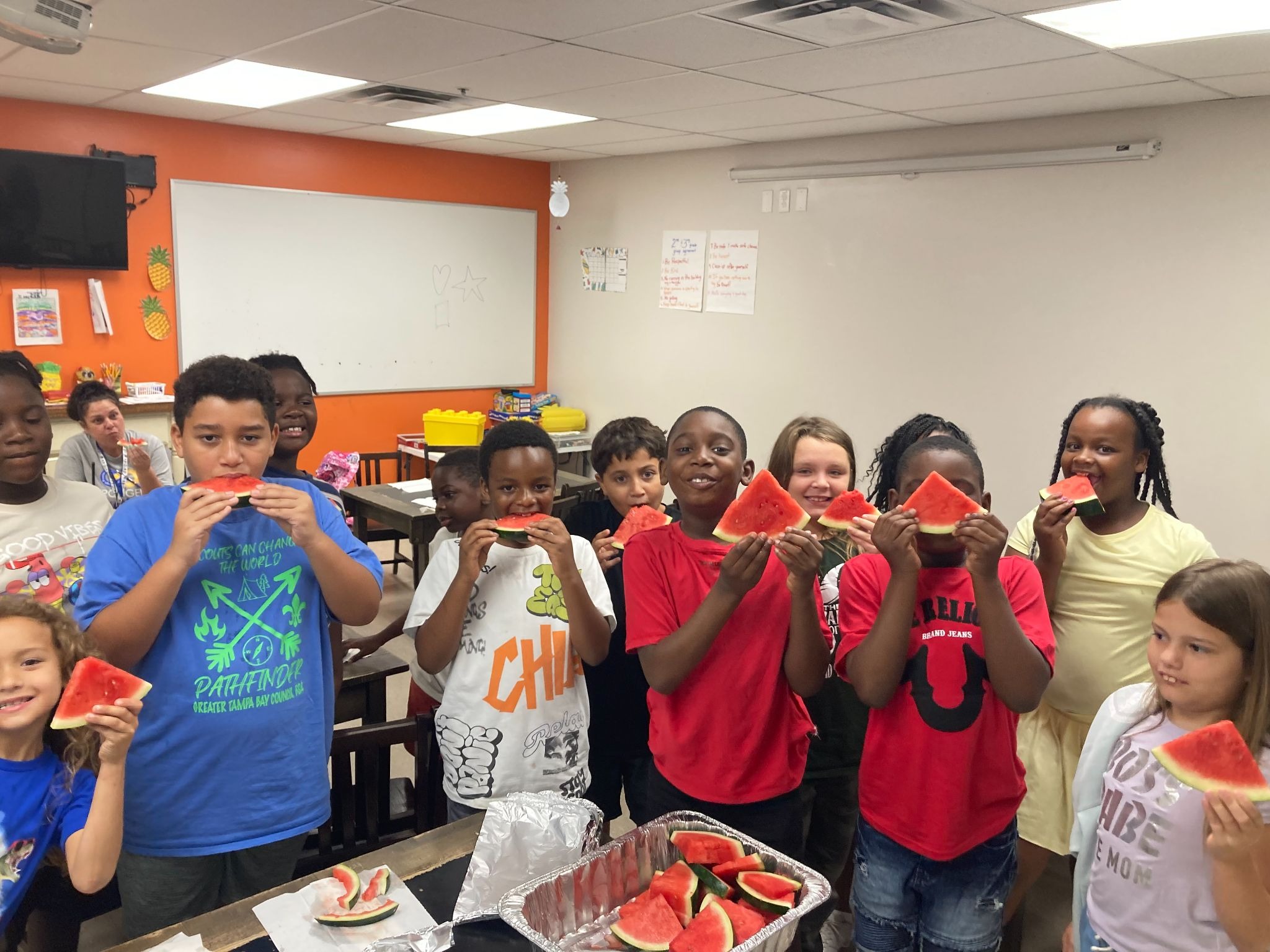
At one Boys & Girls Club of Greater Tampa Bay location, children erupted in excitement when fresh Florida mangos and watermelon arrived. Two students volunteered to help prepare the fruit, learning new skills and sharing stories in the kitchen..
That moment was possible because Access to Fresh has continued to show up—building familiarity, trust, and connection over time.
The impact also extends beyond the people receiving the food. One of our local farm partners, Alicen Morency, recently shared that purchases for this summer program represent more than half of Shady Oaks summer sales, helping sustain its operation during Florida’s traditionally slower summer growing season.
This is what a stronger local food system can accomplish.
It can improve access to nutritious food.
It can help children develop healthier relationships with fresh fruits and vegetables.
It can support seniors and veterans.
It can create dependable markets for local farmers.
And it can keep more food dollars circulating within the community.
When a program demonstrates this level of demand and impact, the conversation must move beyond celebrating the results to asking what it will take to sustain and expand them.
The next challenge is not proving that the work is valuable. The results already make that clear.
Our challenge as a community is building the organizational and physical infrastructure needed to sustain this impact, scale it, and extend it to more families, farmers, and institutions.
Today, those programs can be supported from a 10-by-12-foot packing shed, two refrigerated trailers, and one delivery vehicle. We are proud of how efficiently these resources have been used—but the growing demand has clearly outpaced the infrastructure available to meet it.
The opportunity ahead is not simply to fund more individual deliveries. It is to invest in the staffing, cold storage, preparation capacity, transportation, technology, local agricultural production, and partnerships needed to make this impact reliable, sustainable, and scalable.
The demand is already here.
The partnerships are growing.
The community impact is measurable.
Now we have the opportunity to build the long-term capacity that allows more families, institutions, and local farmers to benefit.
That is how we Build Community Through Food.